Life is Strange Review: A Quiet Game With Heavy Emotional Weight

Life is Strange is one of those games that looks harmless at first. Soft music, small-town vibes, a photography student just trying to get through life. And then suddenly you’re deeply stressed about decisions in a video game like they’re real-life moral dilemmas.

This is an episodic , story-driven game that focuses more on feelings than fast gameplay. There’s no button-mashing chaos here. Instead, it slowly pulls you in, gets you emotionally attached, and then dares you to make choices you’ll instantly second-guess. It’s quiet, thoughtful, and way more intense than it initially lets on.
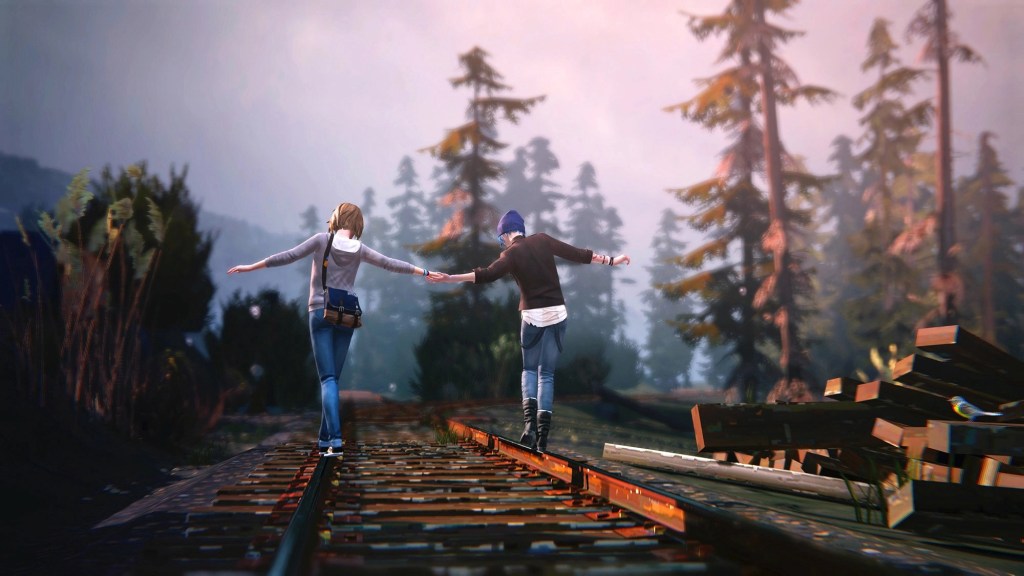
The story follows Max, a photography student who discovers she can rewind time. At first, this power feels exciting. It is slightly overwhelming. Still, it becomes clear quickly that fixing one moment often creates problems somewhere else.

Rather than pushing action. Life Is Strange centers on relationships and moral choices. It also explores the emotional weight of deciding between options that all feel wrong in different ways. The game takes its time building these moments. This approach makes every decision feel personal. It also makes each choice a little stressful in the best way.

The storytelling is easily the strongest part of Life Is Stranger. The characters feel human, flawed, and easy to care about, which makes every choice feel heavier than expected. You’re not just clicking options, you’re emotionally negotiating with yourself the entire time.

The atmosphere also deserves a lot of credit. The music, visuals, and slower pace create this nostalgic, almost dreamy feeling that sticks with you. It’s the kind of game where you pause before continuing. You pause not because you’re stuck, but because you need a second to process what just happened.

The rewind mechanic is another highlight. It gives you a sense of control while still reminding you that not everything can be fixed. You can try different outcomes, but you can’t escape consequences entirely, which somehow makes the choices feel even more stressful.

Gameplay-wise, Life Is Strange is pretty limited. If you’re someone who prefers action-heavy games or complex mechanics, this might feel slow or repetitive at times.

Some of the dialogue can also feel a little overdramatic. It doesn’t ruin the experience. There are moments where it leans hard into the emotions. This might make you cringe slightly before getting right back into it.

Life Is Strange isn’t about winning or skill. It’s about experiencing a story that sticks with you long after you turn the game off. It’s emotional, thoughtful, and occasionally frustrating, mostly because the choices feel uncomfortably real.

By the end, you’ll probably find yourself thinking about the decisions you made. You might wonder what would have happened if you’d chosen differently. It’s not perfect, but it’s memorable in a way that feels meaningful rather than just entertaining.

You may start it for the vibes, you’ll stay for the emotional damage.

This game is a great fit if you enjoy:

  • Story-driven games
  • Emotional and character-focused experiences
  • Games where choices matter
  • Slower, more reflective gameplay

If you’re looking for nonstop action or competitive gameplay, this probably isn’t the right choice.

★★★★★
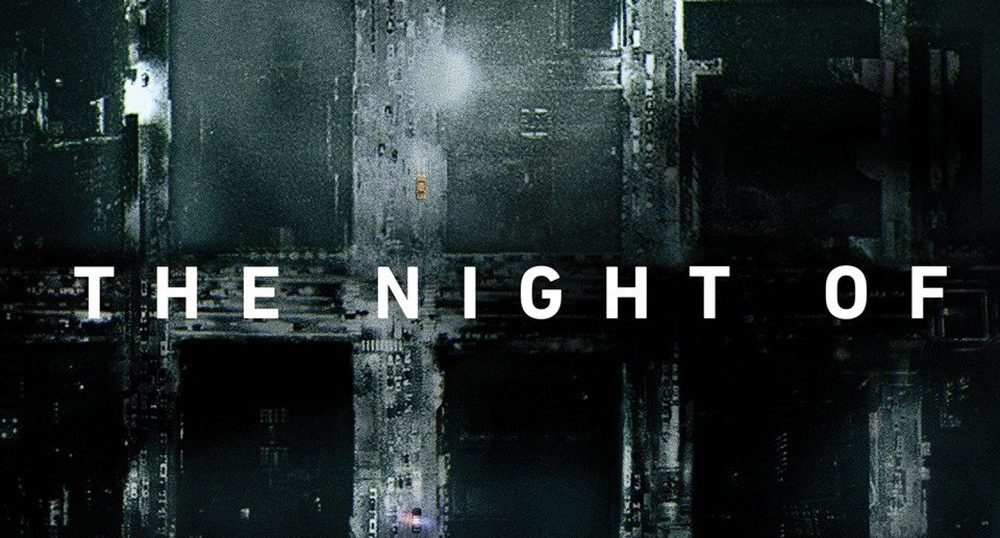
The Night Of (2016) Review: One Night, Many Consequences

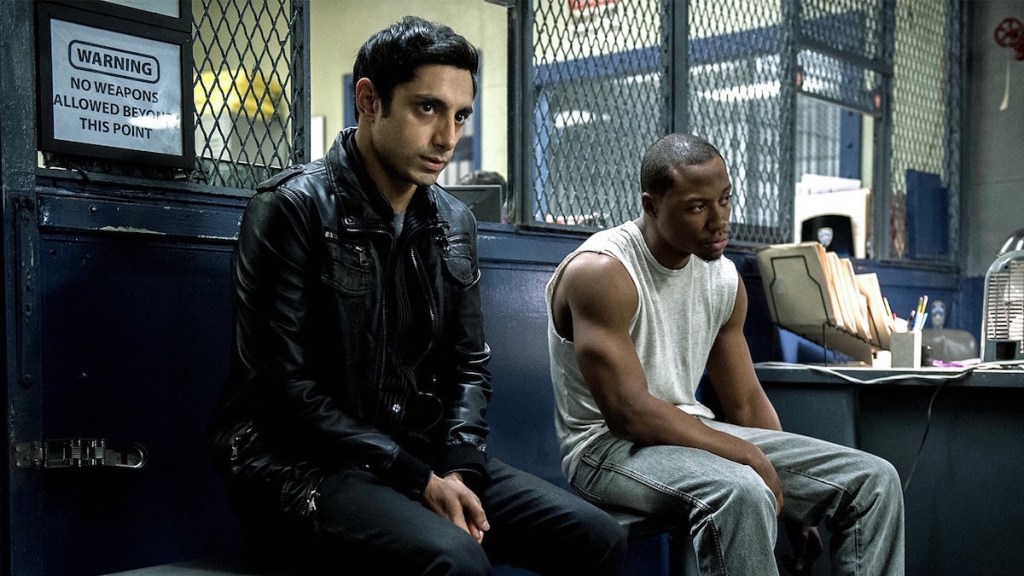
The Night Of (2016) is the kind of show that quietly pulls you in. It refuses to let you relax. It doesn’t rely on flashy moments or fast pacing. Instead, it slowly builds tension until you realize you’ve been sitting there stressed for an entire episode without blinking.

This crime drama miniseries focuses on one night that goes terribly wrong and the long, complicated consequences that follow. From the start, everything feels heavy, uncomfortable, and unsettling in a very intentional way. This is not a background-noise show. If you try to multitask while watching, you’ll be confused almost right away.

The story follows a young man whose life is completely derailed after a single night leads to a serious crime. What initially seems like a straightforward situation quickly spirals into a complicated legal and emotional nightmare.

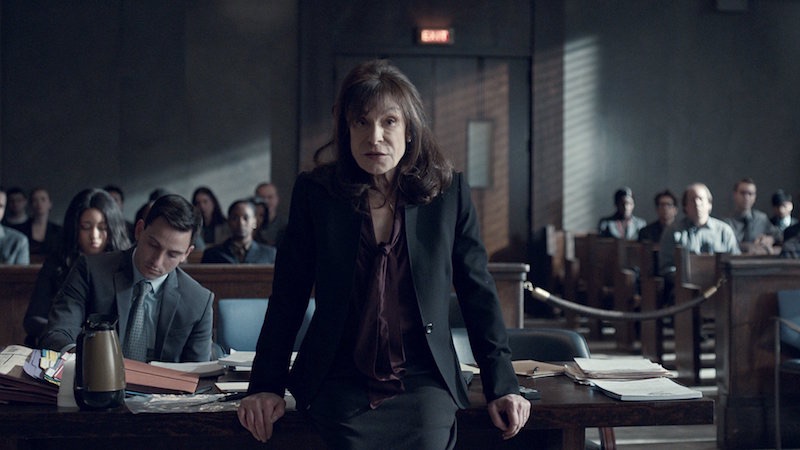
Rather than focusing only on the crime itself, The Night Of spends a lot of time exploring the justice system. It also examines public perception and how quickly someone’s life can change. This happens once they’re caught in the middle of it. It’s less about shocking twists and more about watching the consequences slowly pile up.

One of the strongest things about The Night Of is how immersive it feels. The show does an excellent job of placing you right inside the experience. It makes you feel just as overwhelmed and unsure as the characters. The tension builds quietly, which somehow makes it even more stressful.

The performances are another major highlight. The acting feels raw and realistic, and no one comes across as overly dramatic. Everything feels grounded, which makes the story hit harder. You’re not watching exaggerated characters. You’re watching people trying to survive a system that doesn’t move quickly or gently.

The show also stands out in how it portrays the legal process. It’s slow, frustrating, and exhausting, which feels very intentional. Nothing is rushed, and that realism adds to the overall weight of the story.

The slow pace, while effective, may not work for everyone. There are moments when the show focuses on atmosphere and procedure. These can feel repetitive if you’re expecting constant movement or big reveals.

This is also a show that demands your full attention. It’s not something you can casually binge while scrolling on your phone. Miss one detail, and you’ll spend the next ten minutes trying to figure out what just happened.

The Night Of is a heavy watch, but it’s also a very compelling one. It doesn’t rush to give answers. It doesn’t wrap things up neatly. This approach makes the story feel more realistic. It also makes it, honestly, more unsettling.

The show ends with you contemplating the fragility of circumstances. It makes you ponder how unforgiving systems can be once you’re trapped inside them. It’s intense, uncomfortable, and emotionally draining at times but also incredibly effective at telling the story it wants to tell.

You’ll probably need a break after an episode. Or at least a deep breath.

This show is a good choice if you enjoy:

  • Crime dramas that feel realistic
  • Legal stories that move slowly but hit hard
  • Dark, serious storytelling
  • Shows that make you think instead of relax

If you enjoy story-driven experiences, you might also like my Life Is Strange game review.

If you’re looking for something light, fast-paced, or easy to watch in the background, this probably isn’t the best pick.

★★★★☆

Gone Girl (2014) Review: The Movie That Makes You Question Everything

A spoiler-free review of Gone Girl (2014), exploring what worked, what didn’t, and who this psychological thriller is best for.

Gone Girl is one of those movies people recommend with a very serious face. You know the type. They don’t say much, they just go, “You should watch it… and then we’ll talk.”

It’s a psychological thriller that dives into the darker side of relationships, trust, and why communication might actually important. From the start, the movie feels tense. It makes you sit up a little straighter on the couch, like something bad is definitely coming, you just don’t know when.

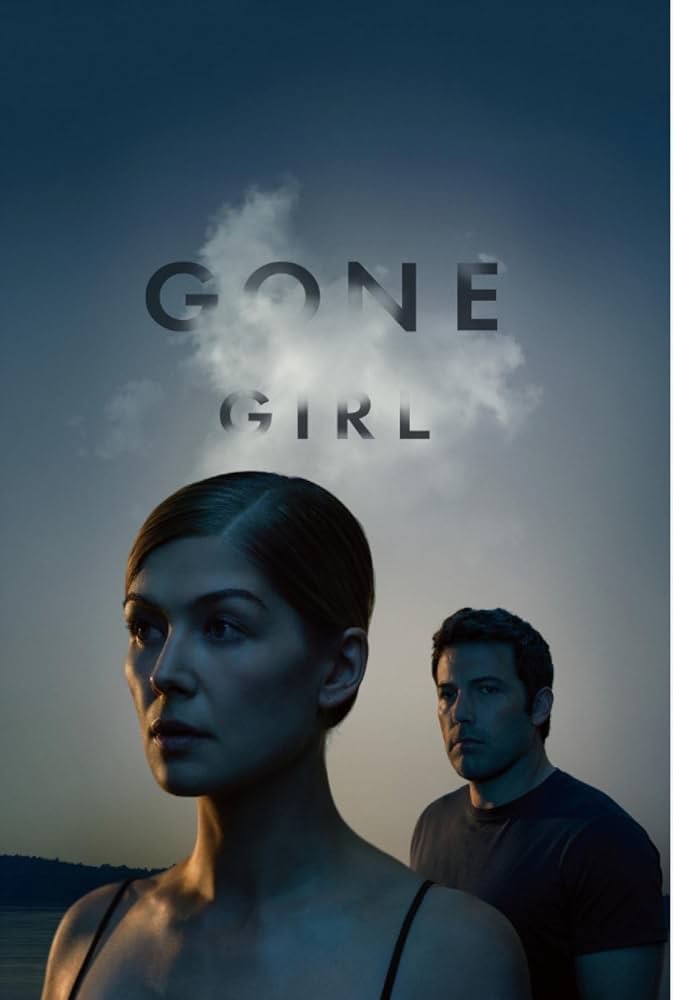
The story follows Nick Dunne, whose wife Amy goes missing on their fifth wedding anniversary. Naturally, things escalate quickly, and what starts as a personal tragedy soon turns into a full media circus.

As investigation unfolds, the movie spends a lot of time showing how public opinion can shift overnight. One minute, the people are sympathetic, the next minute, everyone suddenly thinks they’re a detective. Gone Girl does a great job showing how easily a story can be shaped depending on who’s telling it.

The American Society of Cinematographers | AC Gallery: Gone Girl

The biggest strength of Gone Girl is the constant tension. Even when nothing major is happening, the movie still feels stressful. You’re just sitting like, “Okay… something is definitely wrong.”

The acting is one of the highlights, especially Rosamund Pike, who completely owns every scene she’s in. Her performance is unsettling in the best way and honestly makes the movie what it is.

The atmosphere also deserves credit. Between the dark visuals and the eerie soundtrack, the movie keeps you uncomfortable without needing jump scares. It’s more of a slow psychological stress than a sudden shock film.

Gone Girl – [FILMGRAB]

The runtime is long. Like, commitment long. There are moments where you might check how much time is left and realize you still have a while to go.

It’s also not the type of movie you casually put on while scrolling your phone. If you do, you will absolutely miss something important and then be very confused five minutes later.

Gone Girl is not a relaxing watch by any means. It’s intense, uncomfortable, and sometimes makes you question everyone on screen and maybe even yourself a little.

But that’s kind of the point. The movie doesn’t want you to feel comfortable. It wants you to think, react, and sit there quietly once it’s over, wondering what you just experienced.

It’s the type of film that makes you want to instantly talk about it with someone… or stare at the wall for a few minutes first.

You’ll probably enjoy Gone Girl if you like:

  • Psychological thrillers
  • Dark, twisty stories
  • Movies that make you anxious in a good way
  • Films that spark long conversations afterward

If you’re looking for something cute, cozy or uplifting… maybe save this one for another day.

★★★★☆

Welcome!

Welcome to The Viewing Room.

The Viewing Room is a space for thoughtful reviews of movies, television, books, and video games. It’s designed for readers who enjoy slowing down and engaging with stories beyond surface-level reactions.

Rather than chasing trends or quick takes, this site focuses on how stories are told and how they feel to experience. I look at narrative, structure, tone, pacing, and execution across different mediums, whether that’s a film, a series, a novel, or a game.

You’ll find a mix of full reviews, reflections, and recommendations, all written with care and intention. The goal isn’t to tell you what to like, but to offer perspective and help you decide what’s worth your time.

Take a look around. Start wherever you’d like.